
Review · THE USA
Austin iFLY Skydiving Simulator with Instructor and Gear
Gravity takes a short holiday. Austin iFLY gives you the rush of indoor skydiving without jumping from an aircraft, and I like the controlled setting and one-on-one coaching. The supplied suit, helmet, goggles, earplugs, shoes, and locker make arrival simple. The main drawback is value: at $135, the actual flying time is about two minutes, often split into two one-minute flights.
I also like that children from age three can take part, while adults can still find the body control surprisingly demanding. The whole visit lasts about 90 minutes, so you are not paying only for the seconds in the wind tunnel. Still, if you want the open-air view, height, and long fall of a real tandem jump, this is a polished simulation rather than a substitute.
Key points to know before you book
- Two minutes of actual flight: Expect roughly two one-minute sessions inside the wind tunnel, with instruction before you fly.
- Professional guidance included: An English-speaking instructor shows you how body position controls movement.
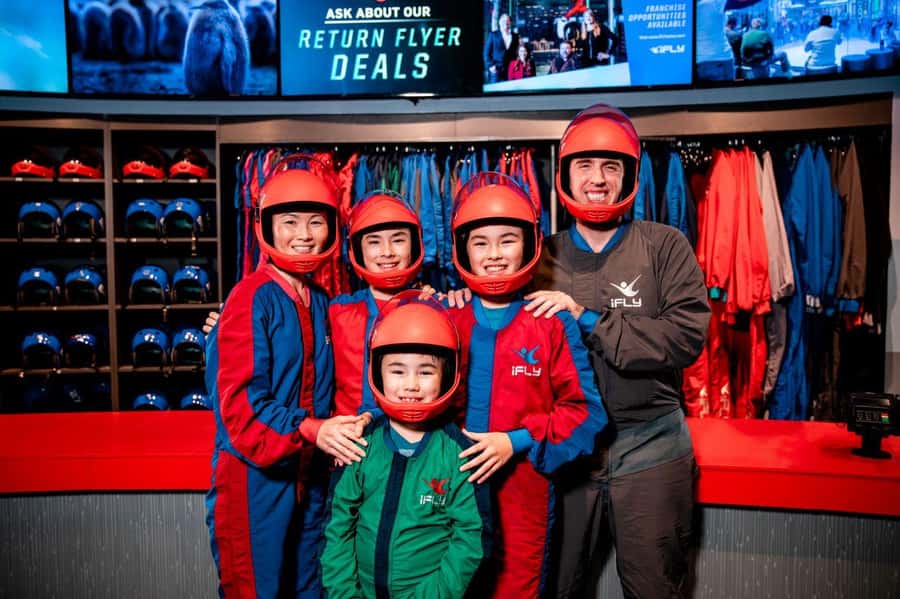
- All main gear is supplied: You receive a flight suit, helmet, goggles, earplugs, shoes, and access to a locker.
- Suitable for children and adults: Flyers must be at least three years old, though health and weight limits apply.
- $135 is a convenience price: You get a longer controlled session than a brief thrill ride, but the flight time itself is short.
- Photos cost extra: The package does not include photos, so check the price before adding them.
What the Austin iFLY experience feels like
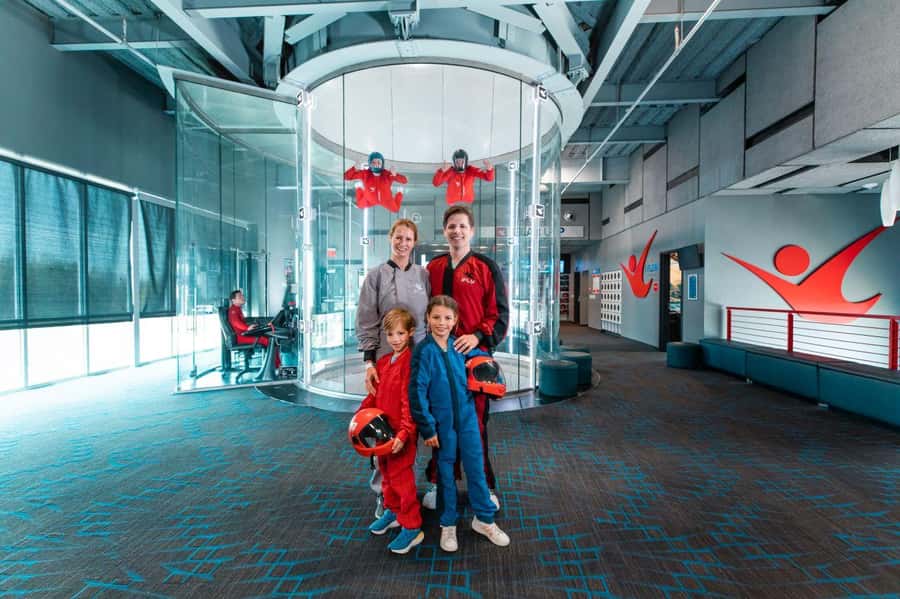
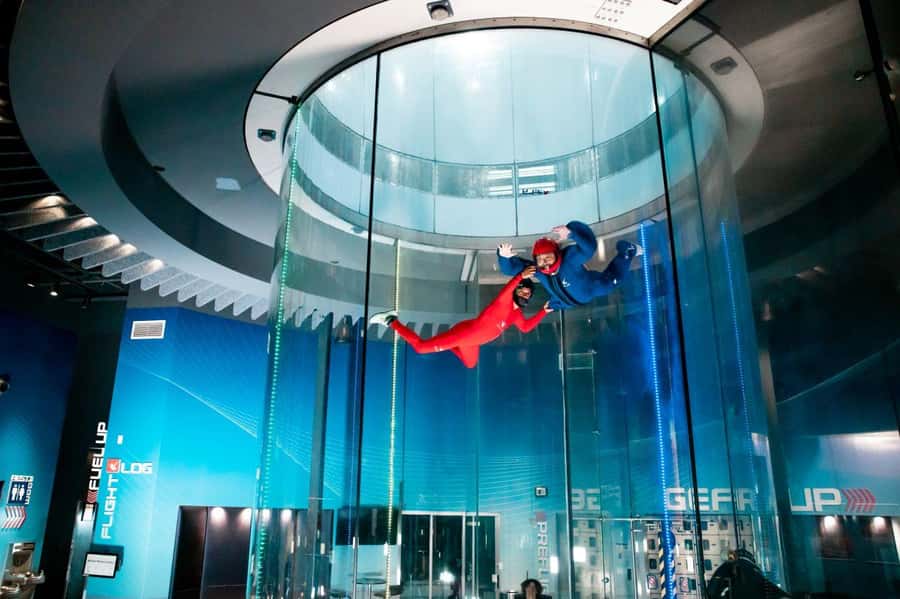
At iFLY, you fly inside a vertical wind tunnel. Powerful air rises from below, giving your body the lift needed to float above the floor. You are not attached to a cable, and you are not falling from a plane. The sensation comes from the moving air and your position in it.
That distinction matters. This is a safe, repeatable way to learn the basic body shape used in skydiving. You get the noise, the wind, the goggles, the suit, and the brief feeling of weightlessness. You do not get the view from an aircraft or the long silence of an outdoor freefall.
I see this as a good choice for someone who wants to test the idea of skydiving without committing to a plane jump. It also works well for families with children old enough to follow instructions, teens looking for a strong thrill, and adults who prefer a controlled environment.
The experience provider is iFLY Indoor Skydiving, and the instructor teaches in English. The activity is wheelchair accessible, though the flight itself still depends on the participant meeting the physical requirements listed by the venue.
More Indoor Skydiving in the USA:
Your 90-minute visit, step by step
The advertised duration is 90 minutes, and that includes more than time in the tunnel. You begin at the activity provider’s location, where you check in, show a passport or ID card, and receive the basic preparation for your flight.
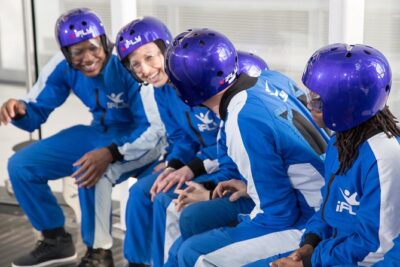
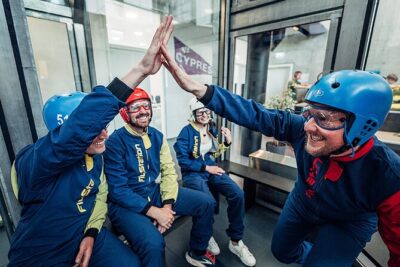
You then get the equipment needed for the session. This includes a flying suit, goggles, earplugs, a helmet, shoes, and a locker. Since the suit and safety gear are included, you do not need to arrive with specialized clothing. Bring comfortable basics beneath the suit, but the supplied information does not specify a required outfit.
Next comes the safety and flight lesson. Your instructor explains how to position your arms, legs, head, and torso. Small changes matter in a wind tunnel. A bent leg or raised chin can alter how you move, so the lesson is not a formality. It gives you a better chance of staying stable once the air starts lifting you.
The one-on-one instruction is one of the strongest parts of the package. You are not simply sent into a column of air and told to figure it out. The instructor helps you understand how your body controls direction and balance, then guides you during the flight.
The flying portion is advertised as two minutes of freefall. In practical terms, plan on about two one-minute flights. That may sound brief, but a minute in the tunnel requires constant physical attention. You are working against the air, adjusting your posture, listening to instructions, and trying to remain calm while your body floats.
After the first flight, you can use what you learned in the second. This is where the format makes sense. The first session lets you get used to the force of the air. The second gives you a chance to make better use of your arms and legs instead of simply trying to stay upright.
Why the instruction matters
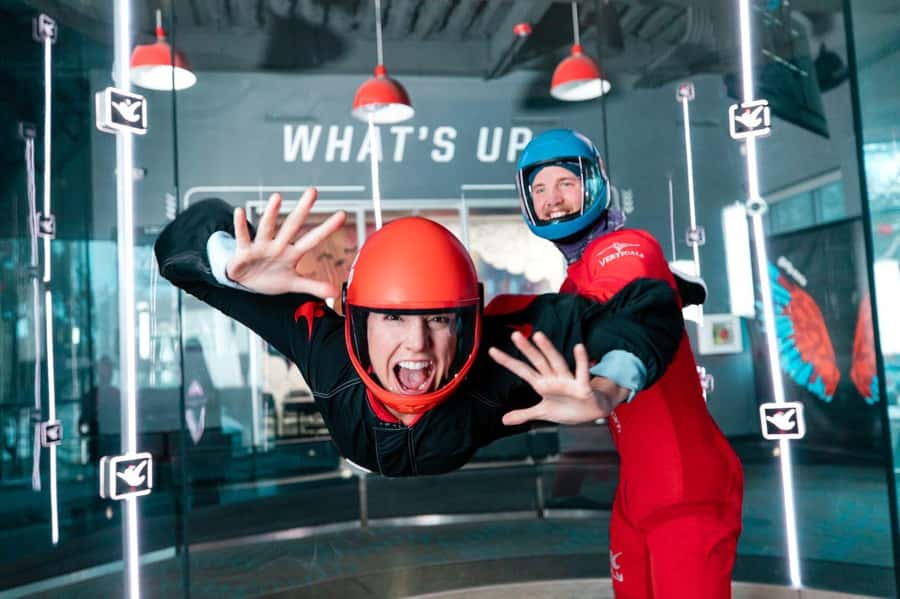
The wind tunnel does much of the work, but it does not make flying effortless. Your body becomes the control system. Your hands, shoulders, hips, and legs all affect your movement.
I like that this activity treats instruction as part of the fun rather than a delay before the action. A professional instructor can show you how to make different body positions and how those positions affect your flight. That turns the session into a skill-based activity, not just a short blast of wind.
For a first-timer, this guidance can reduce the usual panic that comes with a new physical sensation. You know what to expect before entering the tunnel, and you have someone there to help you respond to the air.
Experienced skydivers may find the session basic, but the tunnel still offers a useful way to practice body awareness. The supplied information says the activity can be exciting for experienced skydivers as well as beginners. Just keep your expectations in check: this is an indoor training-style session, not outdoor freefall.
The gear and safety setup
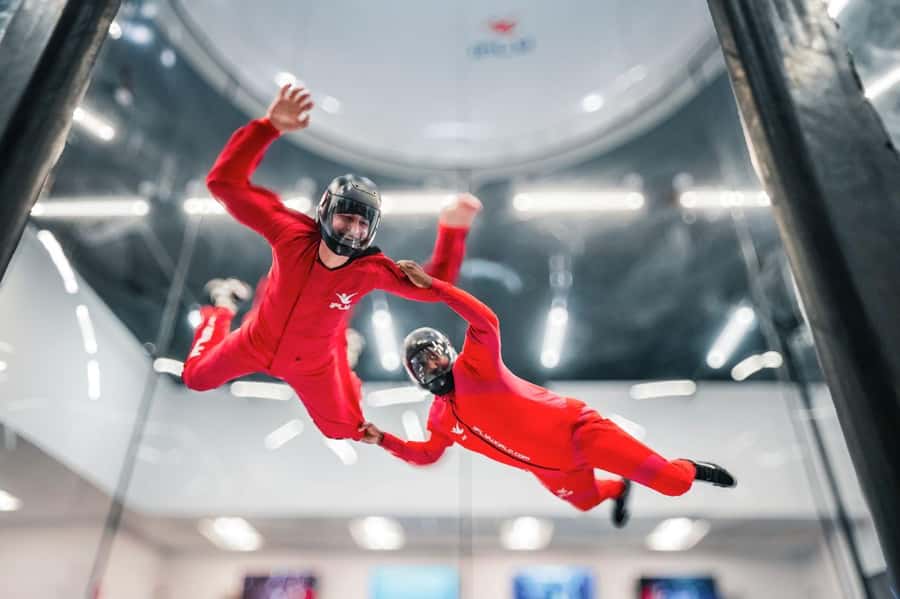
The package includes nearly everything you need for the flight. You receive:
- Flying suit
- Goggles
- Earplugs
- Shoes
- Helmet
- Locker
- Instructor and training
The gear has a practical purpose. The suit gives you suitable clothing for the airflow, goggles protect your eyes, and earplugs help with the noise. The helmet adds another layer of protection, while the locker lets you store personal items during the session.
You need to bring a passport or ID card. That is easy to overlook, especially if you are visiting Austin from elsewhere, so keep it accessible at check-in.
The activity is designed to be safe, but safe does not mean effortless or suitable for every body. You should not fly if you are pregnant, have back or heart problems, or have a condition that could make physical activity risky.
People with a current or previous head, neck, back, or shoulder injury should not take part. A hard cast or hard prosthetic that cannot be removed is also not permitted. If you have previously dislocated a shoulder, the guidance recommends that you do not fly.
Weight limits are specific. People over 300 pounds, or 136 kilograms, cannot fly. Those between 260 and 300 pounds may need an evaluation at check-in, and extra restrictions may apply. This is worth considering before you pay because the booking is non-refundable.
More Skydives in the USA:
- Atlanta Indoor Skydiving Experience with 2 Flights & Personalized Certificate
★ 4.5 · 68 reviews - Chicago Lincoln Park Indoor Skydiving with Two Flights
★ 4.5 · 67 reviews - Fort Lauderdale Indoor Skydiving with 2 Flights & Personalized Certificate
★ 4.5 · 57 reviews - Phoenix Indoor Skydiving Experience with 2 Flights & Personalized Certificate
★ 4.5 · 55 reviews
Who will enjoy Austin iFLY most
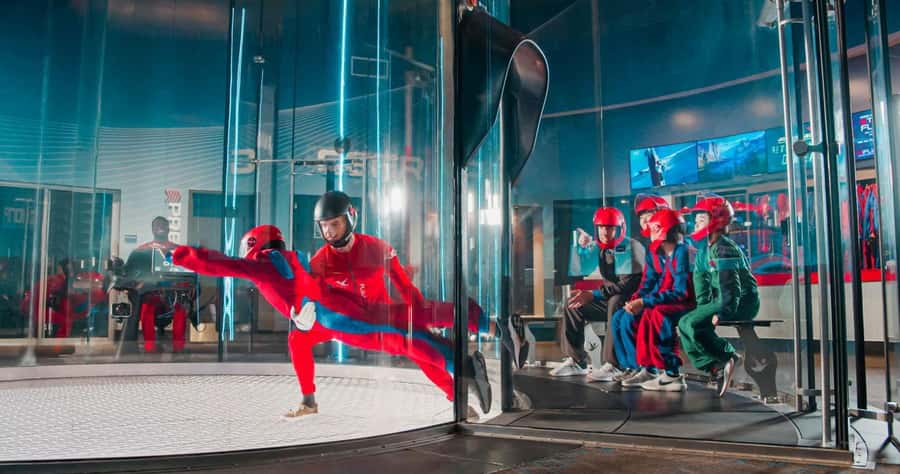
This is a strong fit if you want a first taste of skydiving with the risk and height reduced. You still experience the force of the air and the challenge of controlling your body, but you remain inside a purpose-built venue.
Families should note the minimum age is three. That makes the activity more broadly accessible than a real tandem jump, although a young child still needs to understand and follow the instructor’s directions.
Teens may enjoy the clear thrill and the chance to try something that feels unusual without a long commitment. Adults can expect more physical work than the playful setting might suggest. Holding a stable body position takes concentration, and the wind is powerful.
It is also a useful option for someone who wants to find out how they react to freefall before considering an outdoor jump. If the tunnel makes you uncomfortable, you have learned something valuable without boarding an aircraft.
I would be more cautious about booking this for someone who wants a scenic adventure. There is no mention of an outdoor view or flight over Austin. The attraction is the sensation of flying, not the scenery.
Is $135 a fair price?
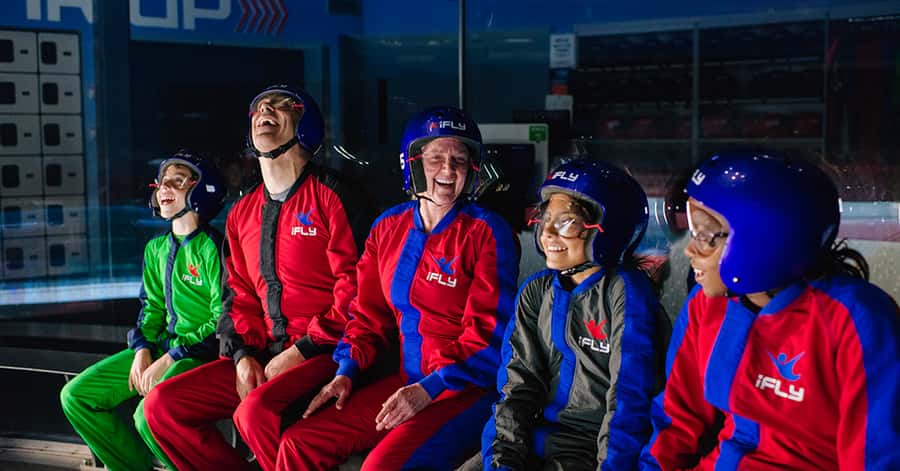
The price is $135 per person. That is not a casual add-on for most families, so the value depends on what you want from the activity.
The strongest argument for the price is the package. You receive training, an instructor, the flight suit, helmet, goggles, earplugs, shoes, and a locker. You also spend about 90 minutes at the venue rather than arriving for a few seconds of action and leaving.
The weaker point is the flight time. You get two minutes total in the air, commonly arranged as two one-minute sessions. One booking comment specifically found the experience a little expensive for two one-minute flights. That is a fair criticism, especially if you judge the price by tunnel time alone.
I would call the value reasonable for a special occasion, a family activity, or a cautious first step toward skydiving. I would call it less attractive if you want a long session or are comparing it only with other indoor amusements.
Photos are not included. If recording the moment matters to you, ask about the photo option at the venue and account for that extra cost before booking.
The most praised part: friendly staff and a strong flight
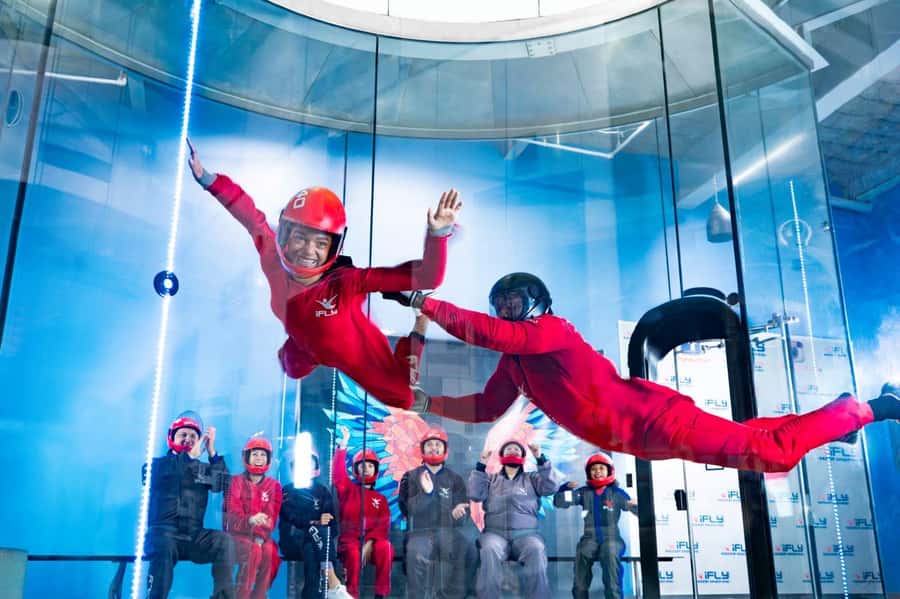
The clearest positive pattern is the quality of the people and the feeling of the flight. One five-star comment singled out the friendly team and described the flight as excellent. That matches what matters most in an activity like this.
Good instruction can change the entire session. The air tunnel is impressive, but a calm instructor helps you use it. Friendly staff also matter when you are checking equipment, managing nerves, or helping a child understand what will happen.
The overall rating is 4.7 from four recorded ratings, with scores ranging from four to five. That is a small sample, so I would not treat it as a guarantee. Still, the available feedback points toward a well-received experience, with the cost and short flight time being the main concern rather than the staff or the actual sensation of flying.
Practical details before you reserve
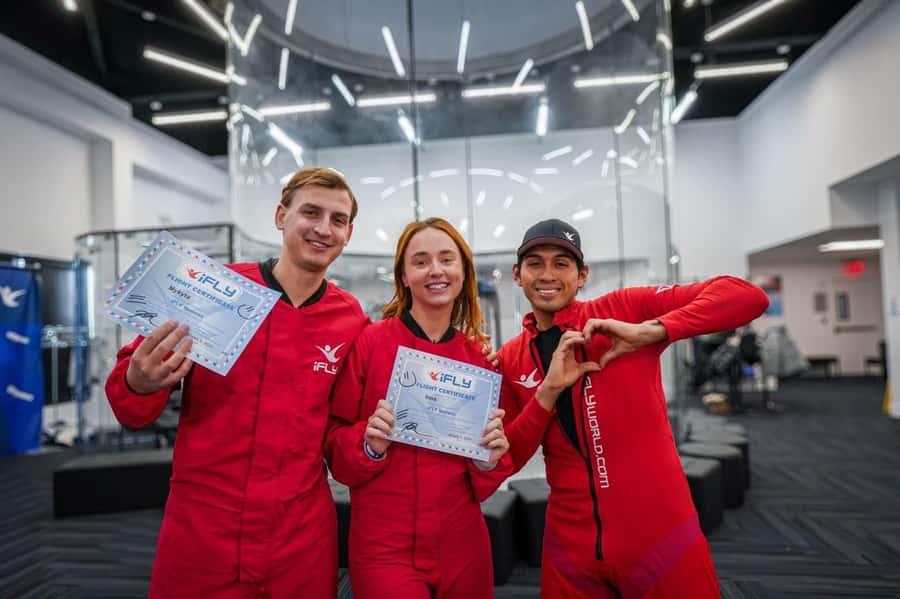
You meet at the provider’s location in Austin. No transport is included or described, so you should plan your own way to the venue and allow enough time to arrive for the scheduled start.
The activity lasts 90 minutes, but starting times vary. Check availability for the day you want. Since the activity is non-refundable, confirm the date, participant ages, health conditions, and weight limits before paying.
The instruction language is English. If you are not comfortable following spoken English instructions during a physical activity, that may affect your experience.
The venue is wheelchair accessible. That is useful for access to the facility, but the physical requirements for flying still apply. If you have a medical concern, injury, or mobility issue that could affect your ability to take part, you should resolve that before booking.
Austin iFLY or a real tandem jump?
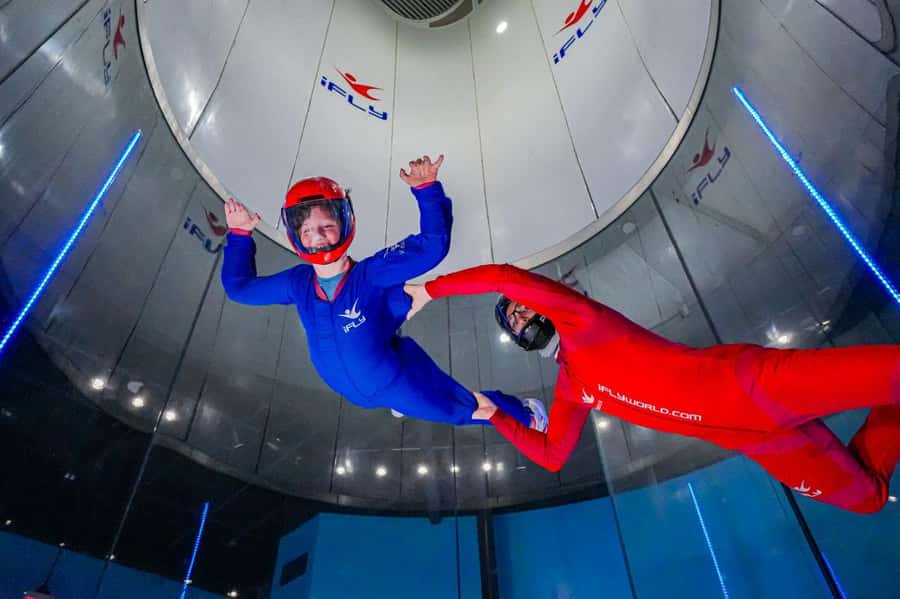
Choose iFLY if you want a controlled introduction to the sensation of freefall. You remain indoors, receive gear and instruction, and avoid the aircraft, altitude, and outdoor conditions of a tandem jump.
Choose a real tandem jump if the height, view, aircraft exit, and outdoor setting are the main reasons you want to go. iFLY cannot reproduce those parts. It focuses on body position and wind pressure instead.
The two experiences also serve different nerves. iFLY may feel like a safer test for someone who is curious but uncertain. A tandem jump is the bigger event, but it also asks you to accept a much more serious setting.
I would not book iFLY expecting a cheap replacement for every part of skydiving. I would book it as a separate indoor flight experience that borrows the most physical part of the sport.
Should you book Austin iFLY?
Book it if you want a memorable, supervised thrill with gear and instruction included. It is especially appealing for children age three and older, teens, adults trying freefall for the first time, and anyone who wants to practice body control without jumping from a plane.
Think twice if $135 feels high for two minutes of actual flying, or if your dream is an outdoor view and a long fall. Also check the medical and weight rules carefully because the activity is non-refundable.
My call: book it for the controlled sensation, friendly instruction, and easy first step into skydiving. Just treat the 90 minutes as the full session, not 90 minutes in the air.
FAQ
How long does the Austin iFLY experience last?
The full activity lasts 90 minutes. The flying portion is advertised as two minutes of freefall, generally split into two one-minute flights.
How much does the experience cost?
The price is $135 per person.
Is instruction included?
Yes. An English-speaking professional flight instructor provides training and one-on-one guidance on body positions and flight control.
What gear is provided?
The package includes a flying suit, goggles, earplugs, shoes, a helmet, and a locker.
What should I bring?
Bring a passport or ID card for check-in.
Can children take part?
Yes. Flyers must be at least three years old.
Are photos included?
No. Photos are not included in the price.
Who should not fly?
Pregnant women, people over 300 pounds or 136 kilograms, and people with back or heart problems should not fly. The activity also advises against flying with current or previous head, neck, back, or shoulder injuries, certain hard casts or prosthetics, or a history of shoulder dislocation.
Just added around the USA
- Seattle Indoor Skydiving Experience with 2 Flights & Personalized Certificate★ 3.5 · 21 reviews
- San Francisco Indoor Skydiving with 2 Flights & Personalized Certificate★ 5.0 · 11 reviews
- Sacramento Indoor Skydiving Experience with 2 Flights & Personalized Certificate★ 4.5 · 20 reviews
- Portland Indoor Skydiving Experience with 2 Flights & Personalized Certificate★ 4.5 · 12 reviews
- New York Queens Indoor Skydiving Experience With 2 Flights★ 5.0 · 4 reviews
- Westchester Indoor Skydiving Admission with 2 Flights & Personalized Certificate★ 4.0 · 16 reviews
- Paramus Indoor Skydiving Experience with 2 Flights & Personalized Certificate★ 4.5 · 16 reviews
- Loudoun Indoor Skydiving Experience with 2 Flights & Personalized Certificate★ 4.0 · 17 reviews
Indoor Skydiving, compared.
Basingstoke iFLY Indoor Skydiving Experience – 2 Flights & Certificate
Read our review →
Manchester iFLY Indoor Skydiving Experience – 2 Flights & Certificate
Read our review →
Milton Keynes iFLY Indoor Skydiving Experience – 2 Flights & Certificate
Read our review →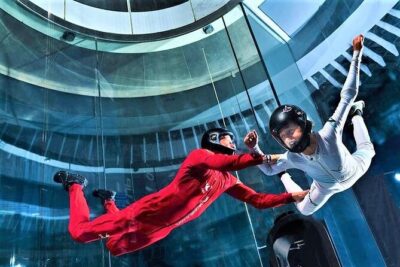
Orlando Indoor Skydiving Experience with 2 Flights & Personalized Certificate
Read our review →
Baltimore Indoor Skydiving Experience with 2 Flights & Personalized Certificate
Read our review →
Bodyflying & Indoor Skydiving at FlyStation Munich
Read our review →Browse the lists this tour appears in