
Review · ROTTNEST ISLAND
Rottnest Island: Tandem Skydive
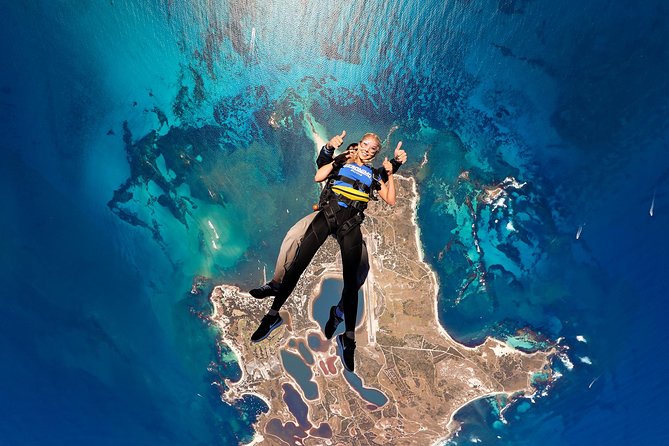
The island looks different from 15,000 feet. Rottnest Island’s tandem jump combines a long freefall, wide ocean views, and a beach landing into one bold half-day outing. I like the choice between 10,000 and 15,000 feet, and I like the calm, reassuring instructors, including Nick, Darcy, Heath, and Jimmy. The main catch is that you must arrange your own ferry, and weather can change your plans.
At $270 per person, this is not a casual add-on to a Rottnest day. Still, the price covers a tightly managed 150-minute activity and a beach landing that gives friends and family a clear place to watch. You can also buy edited video and photos afterward, but those cost extra.
Key points at a glance
- Choose your freefall: The 10,000-foot option gives about 30 seconds of freefall, while 15,000 feet can provide up to 66 seconds.
- Land on the beach: Your parachute ride lasts about five minutes before you touch down alongside the sand.
- Walk from the jetty: The meeting point is at Rottnest Airfield, about 15 minutes on foot from the Rottnest Island jetty.
- Keep the group small: The activity is limited to three participants, which helps keep the preparation focused.
- Plan around the ferry: Tickets to Rottnest Island are not included, and you should confirm weather conditions one hour before departure.
- Expect a careful safety check: Your eligibility is assessed on the day, including weight, height, health, and relevant medical conditions.
Why this Rottnest jump is special
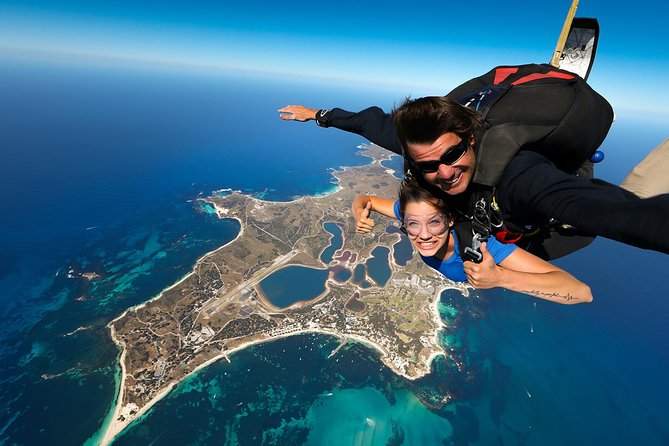
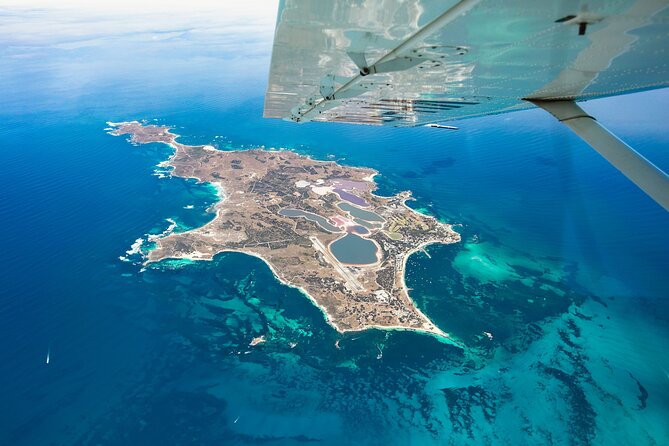
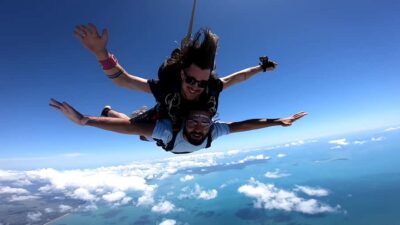
Rottnest is already a fine place to see from the water or on a bicycle. From an aircraft, you get a very different view. The island’s shape, beaches, and surrounding water spread out below you while you climb toward your chosen altitude. That change in scale is the main reason to choose this activity over a standard sightseeing outing.
I also like the clear structure. You arrive at the terminal building, complete the paperwork, receive a safety briefing, get fitted with a harness, and then walk out to the aircraft. There is little guesswork, which matters when your stomach is already doing its own acrobatics.
The instructors get especially high praise for keeping first-timers calm. Nick helped one nervous jumper relax and took photos during the experience. Darcy was described as a friendly and reassuring instructor, while Heath helped another first-time participant enjoy the jump and produced a well-liked video. Those details matter because the quality of the instructor can shape the entire day.
This is a serious activity, not a scenic flight with a gentle surprise at the end. You freefall at about 200 kilometres per hour, and the longer option keeps you in that rush for up to 66 seconds. If the idea makes you uncomfortable, the 10,000-foot option gives you a shorter freefall while keeping the same basic format.
More Tandem Skydives in Australia:
- Airlie Beach: Tandem Skydive over the Whitsundays
★ 4.8 · 726 reviews - Gold Coast Tandem Skydive
★ 5.0 · 467 reviews - Airlie Beach: Tandem Skydiving Experience with Beach Landing
★ 4.9 · 382 reviews
Reaching Rottnest Airfield from the jetty
You make your own way to Rottnest Island from Perth or Fremantle. The ferry is not part of the $270 price, so you need to arrange that separately and allow enough time to reach the airfield.
The meeting point is the Rottnest Island Terminal Building at Rottnest Airfield. From the jetty, it is about a 15-minute walk. That is manageable, but it is one more detail to account for on a day when ferry times, check-in, and weather all matter.
I would treat the scheduled jump as the centre of your Rottnest plans rather than squeezing it between other bookings. Operating hours change with the season, and the exact jump time is confirmed after booking. Call one hour before your planned departure to confirm that the weather is suitable for travel.
This weather check is important. One participant had a first booking cancelled because of conditions, but the company helped arrange another booking and offered a discount on the ferry trip. That is useful support, though it does not remove the basic risk of losing time if the weather turns poor.
Check-in, paperwork, and the safety briefing
At the airfield, you receive a welcome and complete the required paperwork. You then get into the harness and listen to the safety briefing before heading to the aircraft.
The small group limit of three participants should make this part less hectic than a large commercial operation. You can focus on what the instructor tells you, ask questions, and get ready without feeling like a number in a crowd.
Your final eligibility is decided by the chief safety instructor on the day. The assessment considers your weight, height, health, and relevant medical conditions. The information gives two weight cautions: people over 91 kilograms are listed as unsuitable, while those over 95 kilograms may be considered case by case. If your weight is near either figure, contact the operator before making firm ferry and accommodation plans.
You need comfortable clothing and closed-toe sports shoes. Sandals and flip-flops are not allowed, and enclosed footwear is required for the jump. Children under 16 cannot take part. Participants aged 16 or 17 must have an adult or legal guardian with them on the day.
People with heart problems or pre-existing medical conditions are also listed as unsuitable. This is not the place to hope that a condition will go unnoticed. Ask before booking if you are unsure.
The climb to 10,000 or 15,000 feet
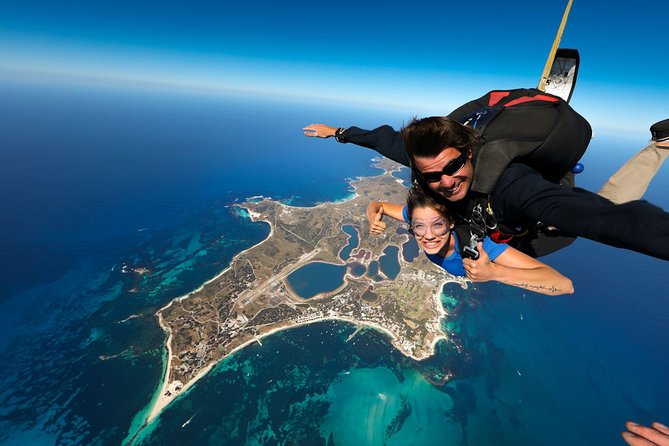
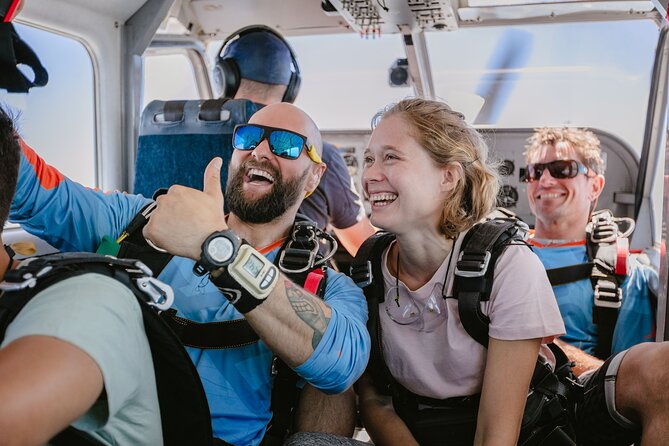
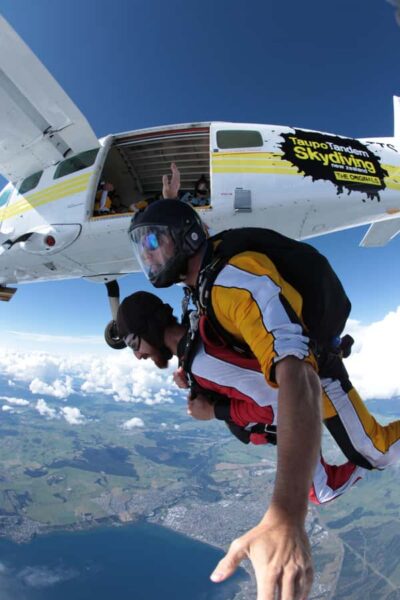
Once you board the aircraft, the climb gives you a few minutes to take in Rottnest from above and settle your nerves. The view begins as a pleasant aerial look at the island, then becomes more dramatic as the aircraft reaches altitude.
The 10,000-foot option provides about 30 seconds of freefall. The 15,000-foot option offers up to 66 seconds, making it the better choice if the freefall itself is the main reason you are booking.
The extra altitude is not simply a bigger number on the booking form. It changes how long you remain in the fast, open-air part of the jump. If you are nervous, the shorter option may feel more approachable. If you have already decided that you want the full version, the higher option gives you more time before the parachute opens.
Your instructor stays attached to you throughout the tandem jump. The team’s friendly style is one of the strongest parts of the experience. Several first-timers were nervous before takeoff, yet instructors helped them settle in and enjoy the moment rather than merely endure it.
More Skydives in Australia:
- Cairns: Tandem Skydive Experience
★ 4.9 · 282 reviews - Rottnest Island Tandem Skydive
★ 5.0 · 258 reviews - Airlie Beach Tandem Skydive Over the Whitsunday Islands
★ 4.5 · 255 reviews - From Sydney: Tandem Skydive Experience over Beach
★ 4.7 · 234 reviews
Freefall at 200 kilometres per hour
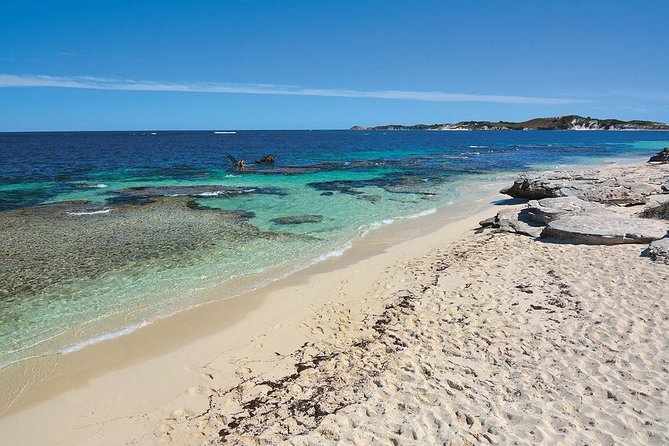
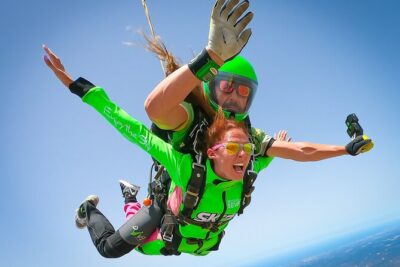
The aircraft reaches your chosen height, and then you and your instructor leave it together. You fall at about 200 kilometres per hour, with the freefall lasting up to 66 seconds from 15,000 feet.
This is the raw, noisy, fast part of the activity. There is no slow build once you leave the aircraft. For a first-timer, the short 10,000-foot option may be enough. For someone who wants the strongest version of the experience, 15,000 feet gives you more time in the air before the parachute opens.
At 5,000 feet, the instructor deploys the parachute. The pace then changes completely. The freefall is over, and you have about five minutes under the canopy to look around before landing on the beach.
That contrast is one of the best features of the itinerary. You get a burst of speed followed by a slower aerial view. The first part tests your nerve, while the second gives you time to appreciate Rottnest rather than simply rush past it.
The five-minute parachute ride and beach landing
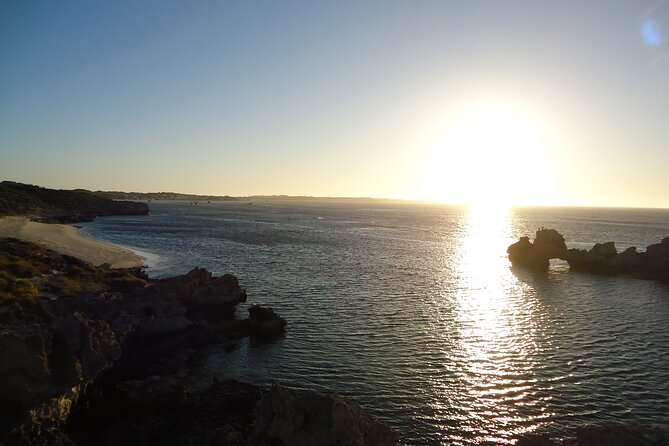
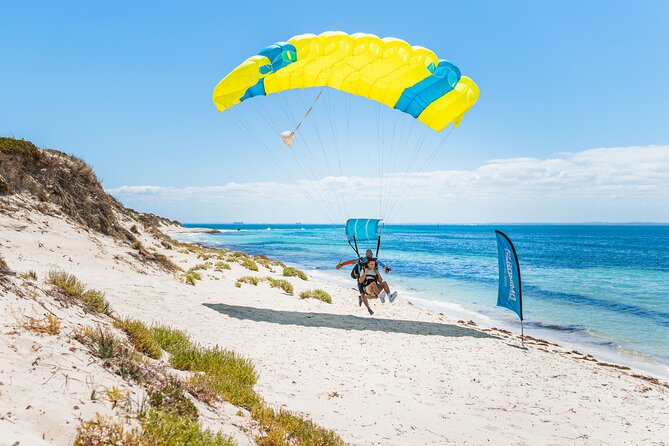
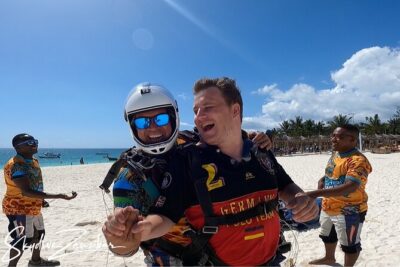
The parachute ride lasts about five minutes and ends on the beach alongside family and friends. This landing spot adds a social side that many aircraft-based activities lack. People who came to watch can see the finish, and the beach provides an easy place to regroup.
One family described being given a lift to and from the beach so they could watch the landing. That sort of help is not something I would assume is guaranteed for every booking, but it shows how the staff can make the day work better for accompanying relatives.
The landing is also a memorable ending for photos and video. You can purchase a professionally edited high-definition video and photo package on the day, with no need to pre-book it. If this is a birthday surprise, proposal, or once-in-a-lifetime trip, I would budget for the package rather than decide in the moment.
Several participants said the video and photos were worth buying. They give you a record of the jump and the view, which is hard to capture yourself when both hands and your attention are occupied. The package is extra, so remember that the advertised $270 is not the final cost if you want the full media bundle.
How much value do you get for $270?
At $270 per person, the experience is expensive compared with ordinary Rottnest activities. You also pay separately for transport to the island, and the optional photos and video increase the total.
The value comes from the combination of elements. You are not paying only for a freefall. The price includes the tandem jump from your selected height, the aircraft ride, the instructor, the safety process, and the beach landing. The small group limit of three is another positive if you prefer personal attention.
I would call it good value for a bucket-list occasion, a birthday surprise, or a major Australia trip. I would not choose it if you are simply looking for an inexpensive way to spend a morning on Rottnest.
The high satisfaction rating also helps. The activity carries a 5 out of 5 rating from 90 bookings, and the strongest praise focuses on the staff. People repeatedly describe the instructors as friendly, calm, helpful, and professional. For a first jump, that human factor is worth paying attention to.
There are still practical limits. Weather can cancel the activity, the ferry is extra, and your health and weight must meet the operator’s requirements. You also need to be comfortable with the possibility that the exact time slot will be confirmed after booking rather than selected with complete certainty at the start.
Who should book this activity?
I would recommend it to you if you want one major burst of adventure during a Rottnest visit and are happy to plan the day around it. It suits first-timers particularly well because the instructors focus on reassurance and guide you through the process from check-in to landing.
It also works well for couples and families with one person jumping while others watch the beach landing. The beach finish gives non-participants a clear role, though you should ask the staff about any assistance for getting to the landing area rather than assume a lift is included.
This is less suitable if you have limited time on Rottnest. The listed duration is 150 minutes, but you still need to add the ferry trip, the walk from the jetty, and any possible waiting caused by weather or scheduling.
You should also think carefully if you are uneasy about heights, fast motion, or the medical requirements. The instructors can help with ordinary nerves, as Nick, Darcy, Heath, and others have done, but they cannot make the activity risk-free or override the safety assessment.
Booking advice and final verdict
Book the 15,000-foot option if you want the longest freefall and the biggest payoff from the price. Choose 10,000 feet if you want the same beach landing and aerial view with a shorter freefall.
Wear closed sports shoes, keep your clothes comfortable, and call one hour before your ferry departure to check the weather. Leave room in your schedule for a change of plans, and remember that cancellation is free up to 24 hours ahead, while same-day conditions may still affect the jump.
I would book this if you want a high-impact Rottnest memory and can accept the extra ferry and media costs. I would skip it if you prefer a relaxed island day or cannot risk a weather-related change. For a first-time tandem jump, the friendly instructors and beach landing make this a strong choice, especially when you set aside the whole half-day and treat the jump as the main event.
FAQ
How long does the Rottnest tandem jump activity last?
The listed duration is 150 minutes. This covers the check-in, safety preparation, aircraft ride, freefall, parachute ride, and beach landing, but you should also allow time for your ferry and the 15-minute walk from the jetty.
Can I choose between 10,000 and 15,000 feet?
Yes. You can select a 10,000-foot or 15,000-foot jump. The lower option provides about 30 seconds of freefall, while the higher option provides up to 66 seconds.
How fast is the freefall?
The freefall reaches about 200 kilometres per hour. The instructor deploys the parachute at 5,000 feet.
Are ferry tickets included?
No. You must arrange and pay for your own transport to Rottnest Island from Perth or Fremantle. Call one hour before your planned departure to confirm that the weather is suitable.
What should I wear?
Wear comfortable clothes and enclosed sports shoes. Sandals and flip-flops are not allowed.
Can I buy photos and video?
Yes. A professionally edited high-definition video and photo package is available to purchase on the day. It is not included in the $270 price, and you do not need to pre-book it.
Just added around Australia
- Rottnest Skydive + Hillarys Ferry package★ 5.0 · 20 reviews
- Rottnest Skydive + Perth Barrack St Ferry package★ 5.0 · 11 reviews
- Noosa: Tandem Skydive Experience★ 4.0 · 16 reviews
- Rottnest Island Skydive Including Round Trip Ferry from Fremantle★ 4.5 · 3 reviews
- Coffs Harbour Ground Rush or Max Freefall Tandem Skydive on the Beach★ 5.0 · 11 reviews
- SA Skydiving Adelaide – Goolwa★ 4.5 · 9 reviews
- Sydney, Shellharbour: 15,000ft Tandem Beach Skydive★ 4.8 · 6 reviews
- Sunshine Coast: Tandem Skydive with Beach Landing★ 5.0 · 19 reviews
Tandem Skydives, compared.
Tandem Skydiving Experience with Beach Landing
Read our review →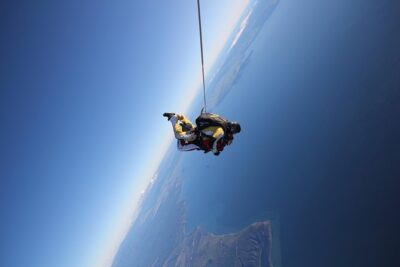
Browse the lists this tour appears in